
Dr. Sher Leads National Conversation on Chronic Cough

“Cough is the most frequent illness-related reason people visit their doctor,” according to the Centers for Disease Control and Prevention’s National Center for Health Statistics.

But not all coughs are created equal.   Some people are dealing with an active upper respiratory infection or the aftermath, and others have a cough that just won’t go away.  A cough that lasts eight weeks or longer is considered a “chronic cough.” 10% of the population have a chronic cough and a large number from this group cannot find effective treatment because their physicians are diagnosing and treating the symptoms rather than the underlying cause. Read more
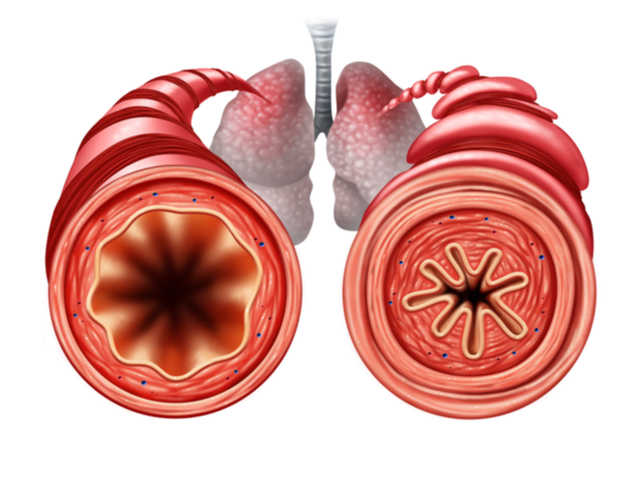

Did you know chronic cough could be asthma?

Did You Know?

Persistent cough is an often overlooked sign of asthma according to a study by National Jewish Health in Denver, Colorado.  Persistent, or better known as chronic cough, affects approximately 10% of the population and can be a symptom of many underlying causes, some of which are unexplained. Patients who are treated for their symptoms rather than their root cause often become frustrated and feel hopeless because they just can’t seem to get better. In reality, these root causes are not always obvious. Read more

Dr. Mandel Sher Had A Fit!

Dr. Mandel Sher had a fit! – A coughing fit similar to the experience of people with Chronic Cough and patients at Center for Cough.  He had an upper respiratory infection five weeks ago and is experiencing residual cough.  Since his is related to a post-viral acute cough, Dr. Sher quieted his cough by slowly dissolving a menthol lozenge in his mouth. A chronic cough, on the other hand, is soothed by lozenges with pectin as the main ingredient because they are lubricating.  Different cough causes and triggers have different treatments.  It is important to know your specific cough profile.

ACE Inhibitors May Produce Chronic Cough

A 15-month medical mystery of “coughing fits” was solved as reported in KOMO News.  A persistent, dry, tickling cough is a relatively common result of ACE inhibitors, such as lisinopril, which are used to treat hypertension, heart and kidney diseases. Cough may occur within hours of the first dose of medication, or its onset can be delayed for weeks to months after the initiation of therapy. Cough usually resolves within 4 weeks of stopping ACE Inhibitor therapy.  An alternative therapy  with a different drug class can be used successfully even in those patients with a history of ACE inhibitor-induced cough.